Simple Understand F1 Rules

Quick Guide, a simple overview of the main rules for every fan.

🏁 Race Weekend Format

A Grand Prix weekend is structured around three pivotal sessions.

It starts with Free Practice, where drivers dial in their cars, explore track limits, and refine their race simulations while engineers analyze telemetry. This is followed by Qualifying, an intense solo effort to secure the best possible starting position — where precision meets pressure. The climax is the Race itself, a strategic battle of overtaking, tire management, and pit stops that ultimately decides who scores the precious points.

Three days. One goal — Optimize. Qualify. Conquer.
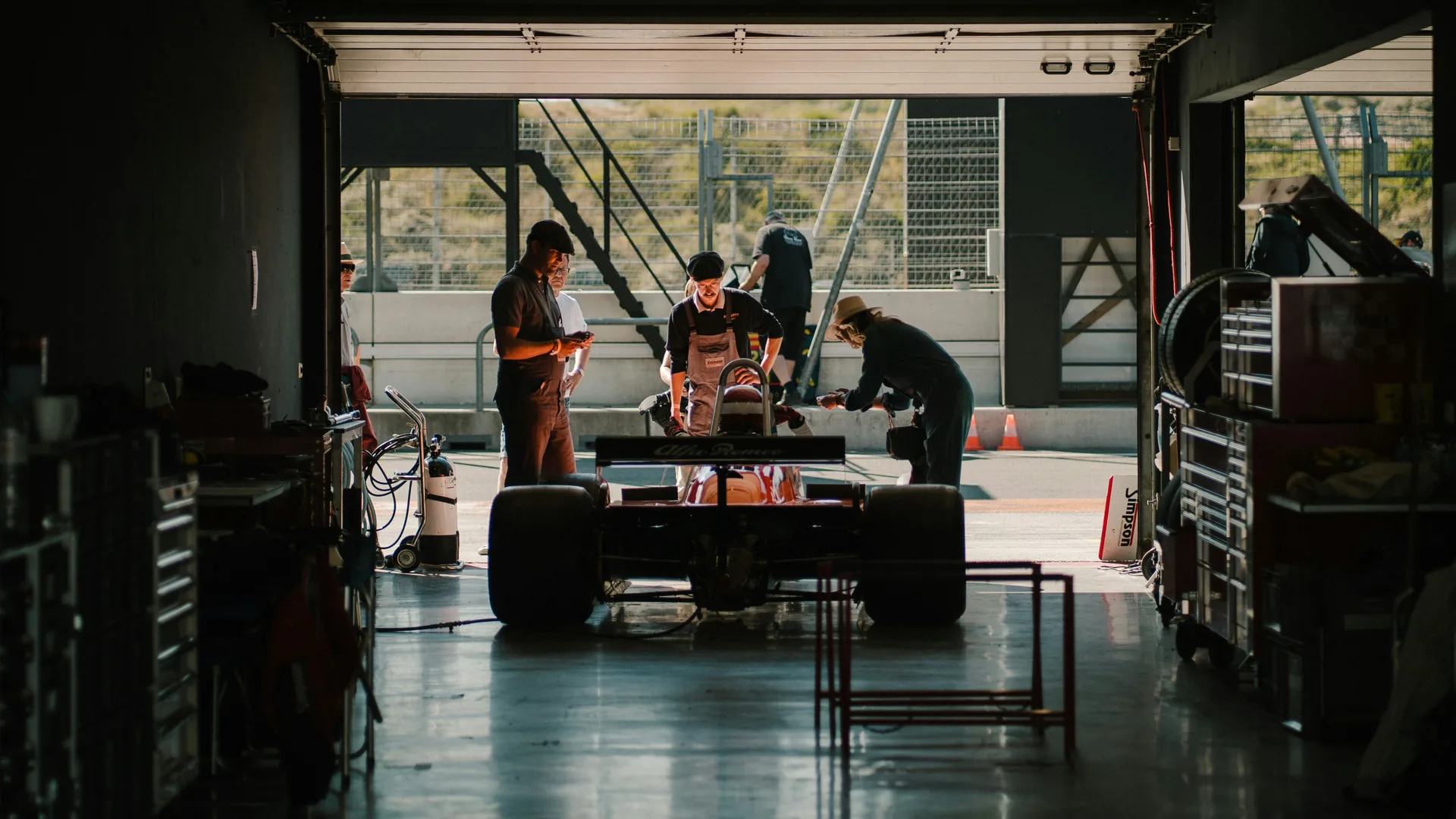
Formula 1 race weekend on track

⚙️ Qualifying Structure (Q1–Q3)

Qualifying isn't just about pure pace — it's a battle of nerves.

Q1: All 20 cars take to the track; the five slowest are eliminated, setting the back of the grid. Q2: The remaining 15 drivers push for a top 10 spot; another five see their session end. Q3: The final ten contenders battle for the ultimate prize: Pole Position, a crucial advantage for Sunday.

Three sessions. One shot at glory.
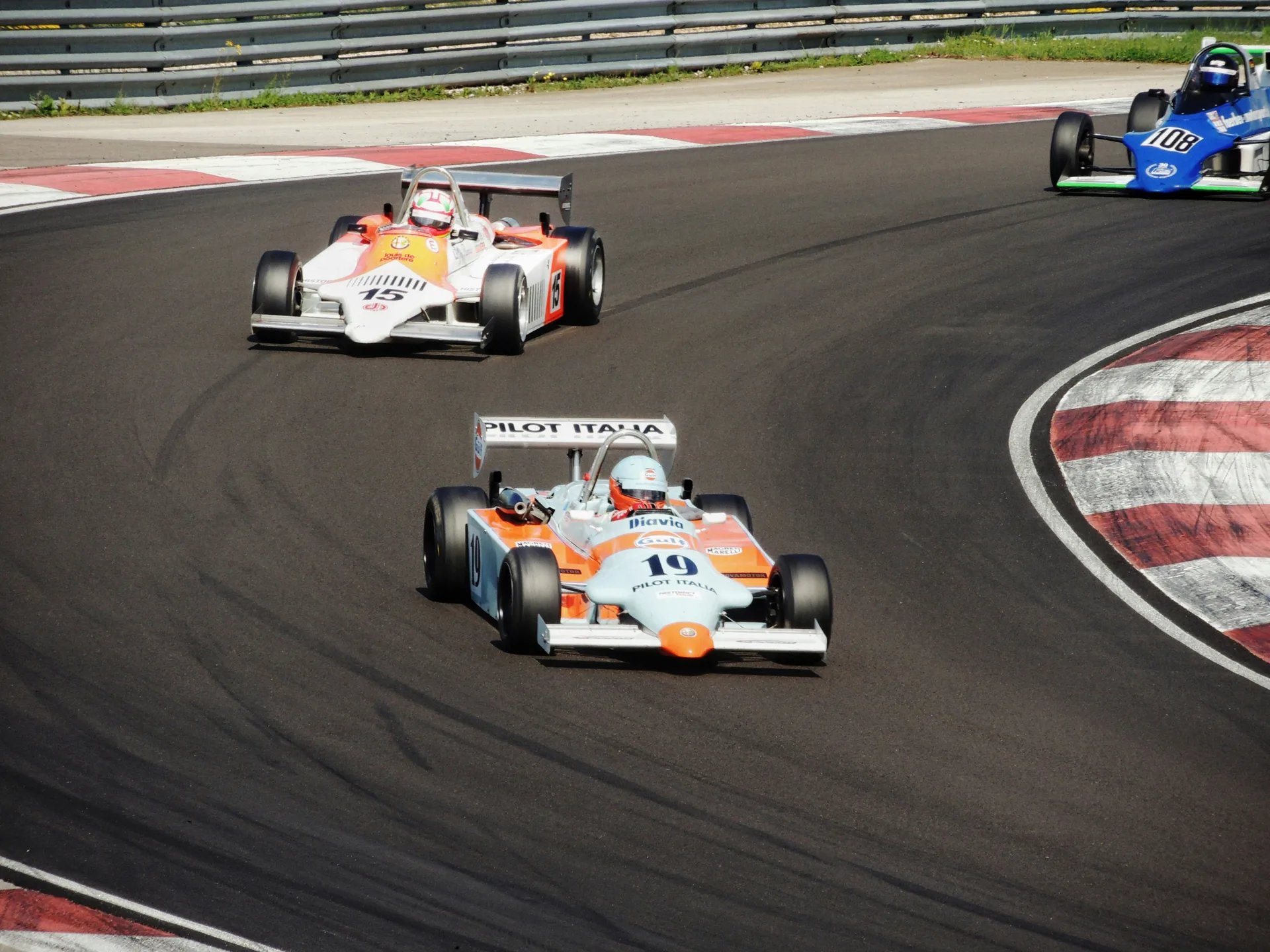
F1 qualifying session on track

🏎️ Points & Championships

Winning on Sunday is celebrated. Scoring points all season wins crowns.

Points are awarded to the top ten finishers, on a scale from 25 for the winner down to 1 for tenth place. A bonus point is given to the driver who sets the Fastest Lap, provided they also finish in the top 10. These points accumulate towards two prestigious titles: the Drivers' World Championship, honoring the best individual, and the Constructors' World Championship, rewarding the combined effort of a team's two drivers.
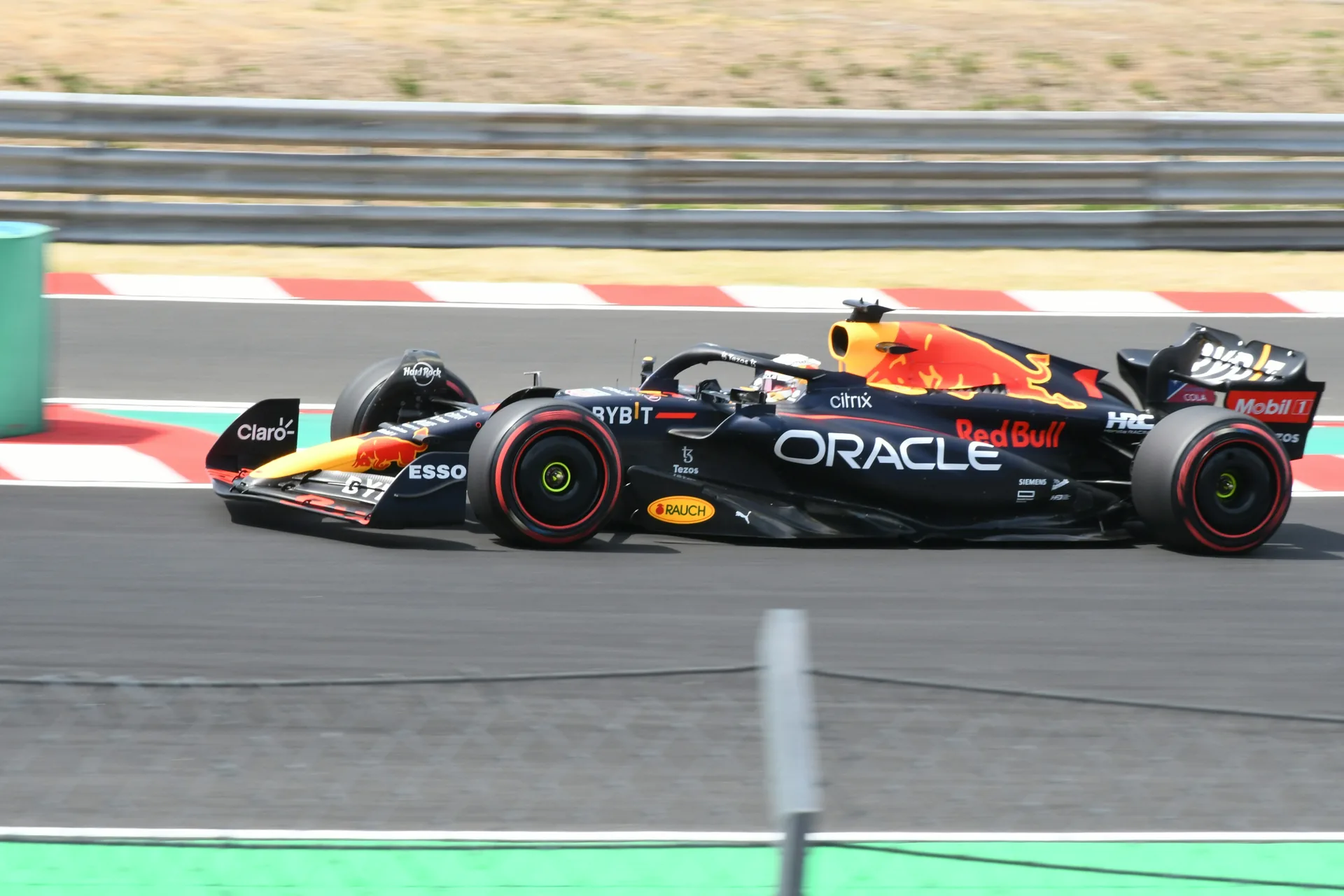
F1 championship points and podium

🚦 Pit Stops & Race Safety

Races can be lost on the track, but they are often won in the pits.

The regulations mandate that drivers must use at least two different dry tyre compounds during the race, making compound selection and pit stop timing a high-stakes gamble. A lightning-fast pit stop, typically under two seconds, can change the outcome of a grand prix. The Safety Car (SC) and Virtual Safety Car (VSC) are deployed to neutralize the race during incidents, bunching up the field and erasing strategic advantages — creating dramatic restart opportunities.
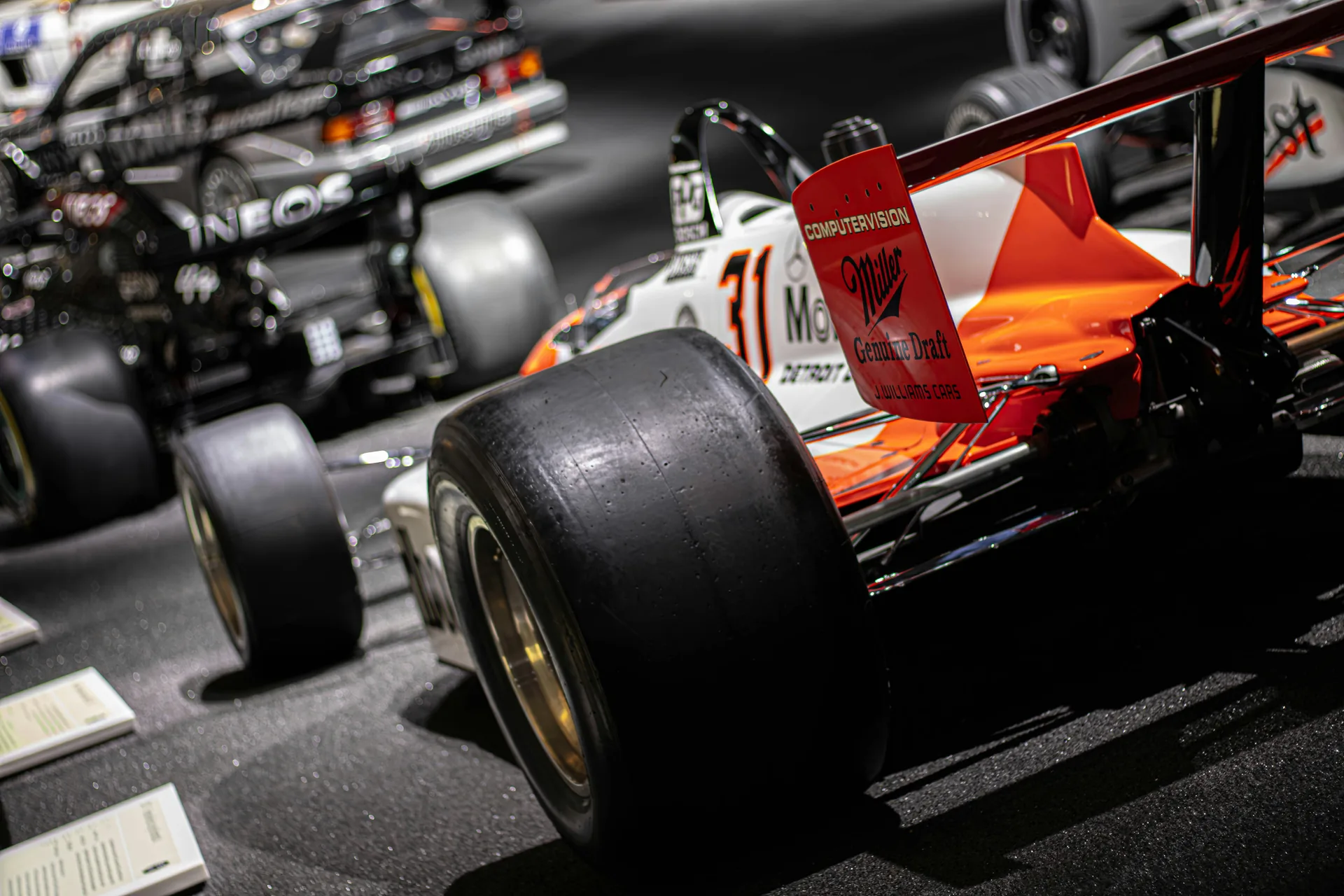
F1 pit stop and race safety

Simple Understand F1 Rules

Quick Guide, a simple overview of the main rules for every fan.

🏁 Race Weekend Format

A Grand Prix weekend is structured around three pivotal sessions.

It starts with Free Practice, where drivers dial in their cars, explore track limits, and refine their race simulations while engineers analyze telemetry. This is followed by Qualifying, an intense solo effort to secure the best possible starting position — where precision meets pressure. The climax is the Race itself, a strategic battle of overtaking, tire management, and pit stops that ultimately decides who scores the precious points.

Three days. One goal — Optimize. Qualify. Conquer.

Formula 1 race weekend on track

⚙️ Qualifying Structure (Q1–Q3)

Qualifying isn't just about pure pace — it's a battle of nerves.

Q1: All 20 cars take to the track; the five slowest are eliminated, setting the back of the grid. Q2: The remaining 15 drivers push for a top 10 spot; another five see their session end. Q3: The final ten contenders battle for the ultimate prize: Pole Position, a crucial advantage for Sunday.

Three sessions. One shot at glory.

F1 qualifying session on track

🏎️ Points & Championships

Winning on Sunday is celebrated. Scoring points all season wins crowns.

Points are awarded to the top ten finishers, on a scale from 25 for the winner down to 1 for tenth place. A bonus point is given to the driver who sets the Fastest Lap, provided they also finish in the top 10. These points accumulate towards two prestigious titles: the Drivers' World Championship, honoring the best individual, and the Constructors' World Championship, rewarding the combined effort of a team's two drivers.

F1 championship points and podium

🚦 Pit Stops & Race Safety

Races can be lost on the track, but they are often won in the pits.

The regulations mandate that drivers must use at least two different dry tyre compounds during the race, making compound selection and pit stop timing a high-stakes gamble. A lightning-fast pit stop, typically under two seconds, can change the outcome of a grand prix. The Safety Car (SC) and Virtual Safety Car (VSC) are deployed to neutralize the race during incidents, bunching up the field and erasing strategic advantages — creating dramatic restart opportunities.

F1 pit stop and race safety